
Ben Buckler
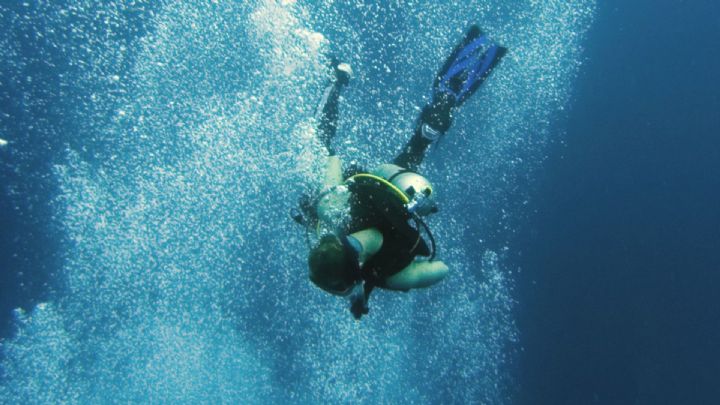
Ben Bucker Head - Description Coming Soon
Next Trip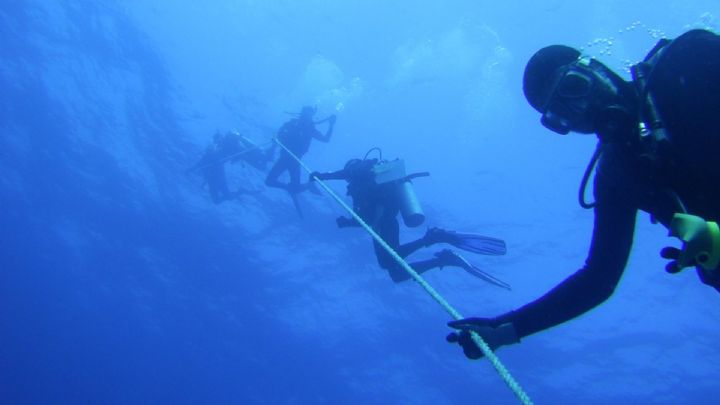
The Centurion forms one of the most interesting shipwreck dives in Sydney Harbour. She was wrecked on 16 January 1887. The vessel, owned by George Thompson was departing Sydney under tow for Honolulu when it got into difficulties at the Heads. Another steamer was moored in the channel, and in the attempt to pass around it, Centurion bumped against the rocks at The Old Mans Hat on North Head. Recovering from the shore, Centurion drifted back into the harbour and sank in 18 meters of water. Today the remains include a substantial portion of the hull (buried), deck frames, sections of the masts, anchor chain and other fastenings. Lithograph showing the Centurion aground at Old Man's Hat. The Centurion was built as a magnificent timber clipper ship, later transformed to a barque rig, square-rigged on two masts. With a length of 63 meters and tonnage of 1004 tons gross, the vessel had been built in Aberdeen, Scotland, in 1869 for the Aberdeen White Star Line. Centurion was built in the famous Aberdeen shipyard of Walter Hood & Sons, that also built the Fame, Queen of Nations and Walter Hood, all wrecked in NSW. Towards the end of its life, the passenger and cargo carrier served as a collier. "Admiralty" style anchor from "Centurion" site at NSW Water Police. Photographer: David Nutley Information obtained from www.maritimeheritage.nsw.gov.au.
Next Trip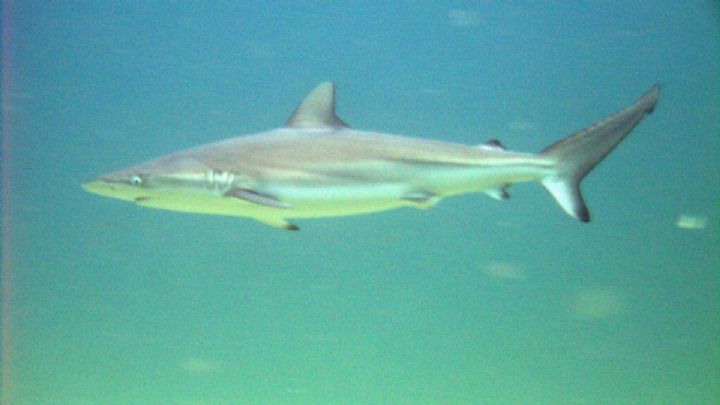
Fairy Bower gets its name from the miniature fairy penguins that can be found here. This shore dive lies just off of the ocean-side pathway running between Manly Beach and Shelley Beach. It is located about halfway between the two and swimmers and divers can get down to the water via a metal staircase. This is a great site for night dives when there is not much traffic on the pathway.
When you get into the water swim north away from the beach. There are some large rocks that you can swim between and there is also a swim-through, though you may need a guide to find it. As you swim north you will get down to approximately 8 metres of water maximum. There is a prominent reef that you can follow that extends out fairly far. In the western side of a reef is a large section of a storm pipe which baby wobbegongs and other fish like to hide in. There is also a gully between the rocks to the west that divers can swim through.
This is a good dive for seeing sharks. In March the dusky whaler sharks flock to this location. Some of PRO DIVE's guides have reported seeing almost twenty at a single time. Port Jacksons also can be found here in the winter. Aside from the sharks there are also blue gropers, schools of surgeonfish, yellowtail, leatherjackets, seapike, fiddler rays, sting and numb rays, and giant cuttlefish.
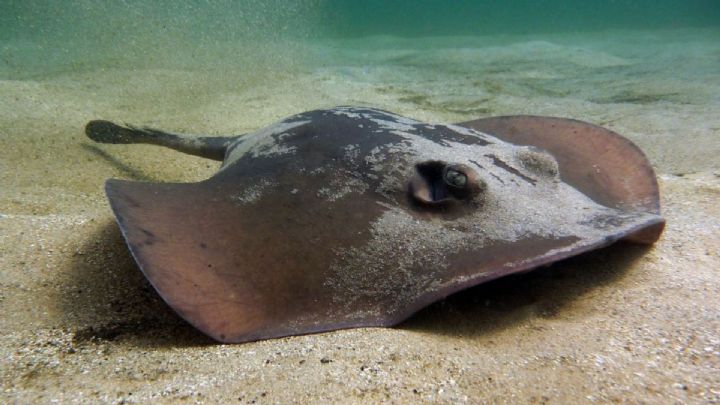
Freshwater Sydney - The best shore based dive site on the Northern beach, wonderful reef structure, for advanced diver two significant reef structures east of the point with a max depth of 20m. This site along with abundance of typical sydney marine life comes to life in Summer with Sydney's biggest population of Southern Eagle Rays, Autumn you'll see Ginat Cuttle fish and of course in Spring the Port Jackson Shark. Of all the shore based sites we do this consistently delivers the best shore based diving in Sydney
Next TripWith a variety of dive sites on offer, we can cater for beginnners, veterens and everyone in between! .This area offers some of the most interesting and diverse marine life in Sydney including the beautiful Weedy Sea Dragon!
The best site will be selected on the day by one of our experienced Divemasters/Instructors and is determined by a number of factors including swell, tides and experience of the group.
The Monument
The entry and exit point for this dive are both in the same spot (unless you do it as a drift dive). It's a little channel between the rocks right in front of the flagpole. It is one of the easiest entries in that you can sit on the rocks to put your fins on and in all but the most severe conditions, as there are no waves.
The Monument is a very easy dive site, with the relatively longer surface swim being the hardest part. Due to its location right in the bay, visibility can be a little worse here than the other sites around Kurnell. Overall however, it is still a very nice relaxing dive with usually lots to see. Once you enter the water, snorkel out over kelp in a north easterly direction. There is a red navigation marker out in the bay and if you head towards it you are going in the right direction. Once you become sick of snorkelling you can descend as sometimes large rays are seen swimming over the kelp. At this point you will be in about 4 mt of water so continue to follow your compass until you come to a drop off. Drop over the wall for the main part of the dive. If visibility is poor the top of the wall also makes an interesting dive. Swim along with the wall on your right.
The Monument is a great dive to take a torch, as there are numerous overhangs where you could see anything from large Cuttlefish to Blue Devils, Wobbegongs and even the occasional Banded Coral Shrimp.
This dive is often done as a drift on an outgoing tide where you can drift around to Sutherland Point, or even the Steps depending on air supply
The Steps
After entering the water, swim towards Bare Island for about 20 metres. Descend here amongst the large boulders and make your way down to the sand at around 10 metres.
Follow the sand edge to the east and the water gradually gets deeper to about 15 metres. When looking at the sponge covered rocks, have a closer look and you will notice a large variety of different species of nudibranchs. The rocks are also home to numerous other species including Blue Throated Ascidians, Lace Coral, Sea Fans, Tube Worms and Sea Squirts. Many of the rocks are covered with a redish weed. If you look very carefully at this weed, you may even discover a pygmy pipe horse.
On the sand at the 12 to 15 metres level, in the area up to 3 or 4 metres from the rocks, you should see beautiful common sea dragons, but you must look carefully for they can easily be mistaken for pieces of kelp. In the late winter and early spring period look close and you may even see an egg laden male.
The Leap
Take care climbing down the narrow track for this dive, and when you reach the bottom be VERY CAREFUL not to slip on the blackish slime on the rock shelf, especially if wet. If you do not take care YOU WILL SLIP OVER!
This site is done as a drift dive, although we have heard of certain dive stores getting customers out at the same spot, it can be very tricky so not the preffered method.
Swimming directly out from the entry, you will drop down to around 22 metres. You will find a number of bommies here and if you look carefully you may even spot the occasional seahorse or two. Swimming further, the depth will decrease to around 10-12 metres. For the most part, exiting at the steps is the easiest. We prefer to get the gear together, pull on the wetsuit or drysuit and then move the vehicle down to the steps carpark rather than climbing all the way up then having to walk up the road with full gear on.
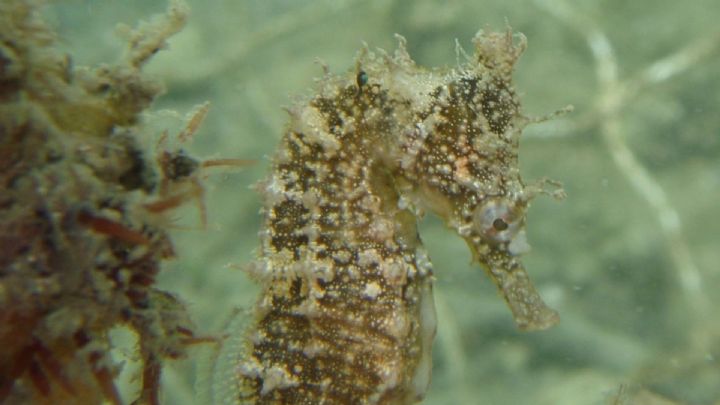
If you dislike seahorses then the Manly Nets Shore Dive is NOT for you. However, because these are generally easy creatures to get along with this is a stunning dive. The nets lie in about 2 metres of water so anyone diving here can swim around for over an hour. There is a multitude of seahorses that are gathered along the nets and they are fascinating to watch. When you first enter the water you may not see these creatures but this is because they are so small. Swim slowly over to the nets and as your eyes adjust you will become aware of the seahorses all around you. This is a fun and easy dive and a must do for anyone who likes unique aquatic animals.
Description coming soon
Next Trip
Is one of a series of sites we can dive under the sheer cliffs (south of Sydney Heads) from the Macquairie Lighthouse to the the Gap.
The underwater seascape is strewn with boulders covered in sponges, bryzoa, the aptly named sea tulips (type of tunicat), sea ferns as well as nudibranchs and other invertebrates. Divers are greeted by the ever present Blue Wrasse and fish life typical in this area. A nice easy dive with lots to see including moray eels and bottom dwelling sharks including Wobegongs and at different times of hear the Port Jackson Sharks.
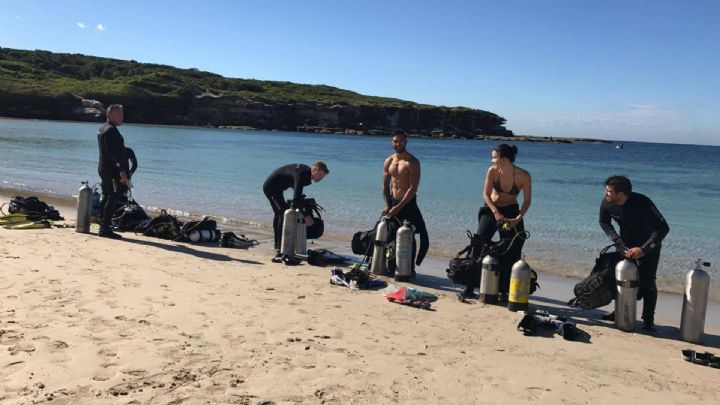
Enter from the shore along the right hand side of the beach (facing the sea). Keep the rock wall on your right as you head out and on your left as you head back - an easy dive site to navigate. As with any site, Shelley Beach is weather dependant - generally protected during easterly winds, which makes it diveable when a lot of other sites in the area are blown out. Viz can vary from 3 to 15M but is usually clearer during the winter months. On a good day, this is a spectacular site!
Shelly Beach
The best of the site is further out than most people get to and you do need reasonable air consumption to reach it. Swim out following the rock wall to your right, until it turns northwards and starts to peter out. Take a heading and keep going following the remnants of the rock wall on the sea floor and you should come to a kelp bed. Weedy seadragons are frequently found here and the depth should not exceed 12m.
Along the wall and amongst the big boulders, other marine life seen regularly is the divine eastern blue gropers (wrasse), schools of yellowtail and big eyes, mados and often pike. Red Morwongs, goatfish in the sandy area, flatheads and often ludericks and old wives. Under ledges shrimps galore and often juvenile lionfish. Port Jackson sharks and giant cuttlefish are common in season and wobbegongs sleep in crevices and under the big boulders.
The Apartments
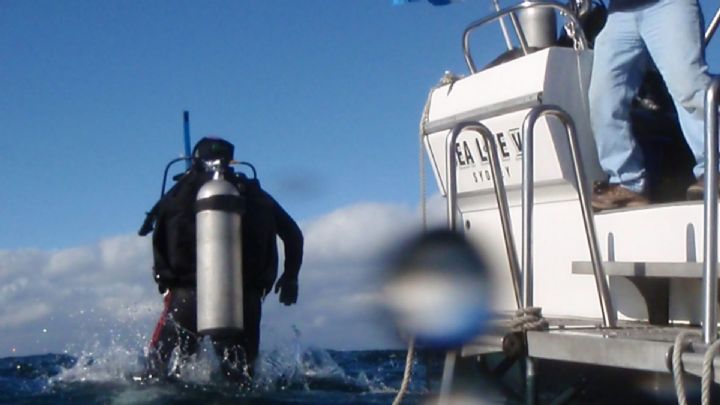
Located on Sydney's northern beaches at longreef, the apartments is a spectacular dive site renowned for its schooling fish, swim throughs and celebrity appearances of grey nurse sharks. With a maximum depth of 24m, a minimum depth of 10m and the reef being approx 200m long, with the main wildlife being in 10m-18m making it an exciting dive for openwater divers as well as the experienced. Consisting of big boulders and rounded rock formations making excellent homes for cuttlefish and port jackson sharks. Although there can be a strong southerly current this usually dissipates after 10m.
Next Trip