
The dives
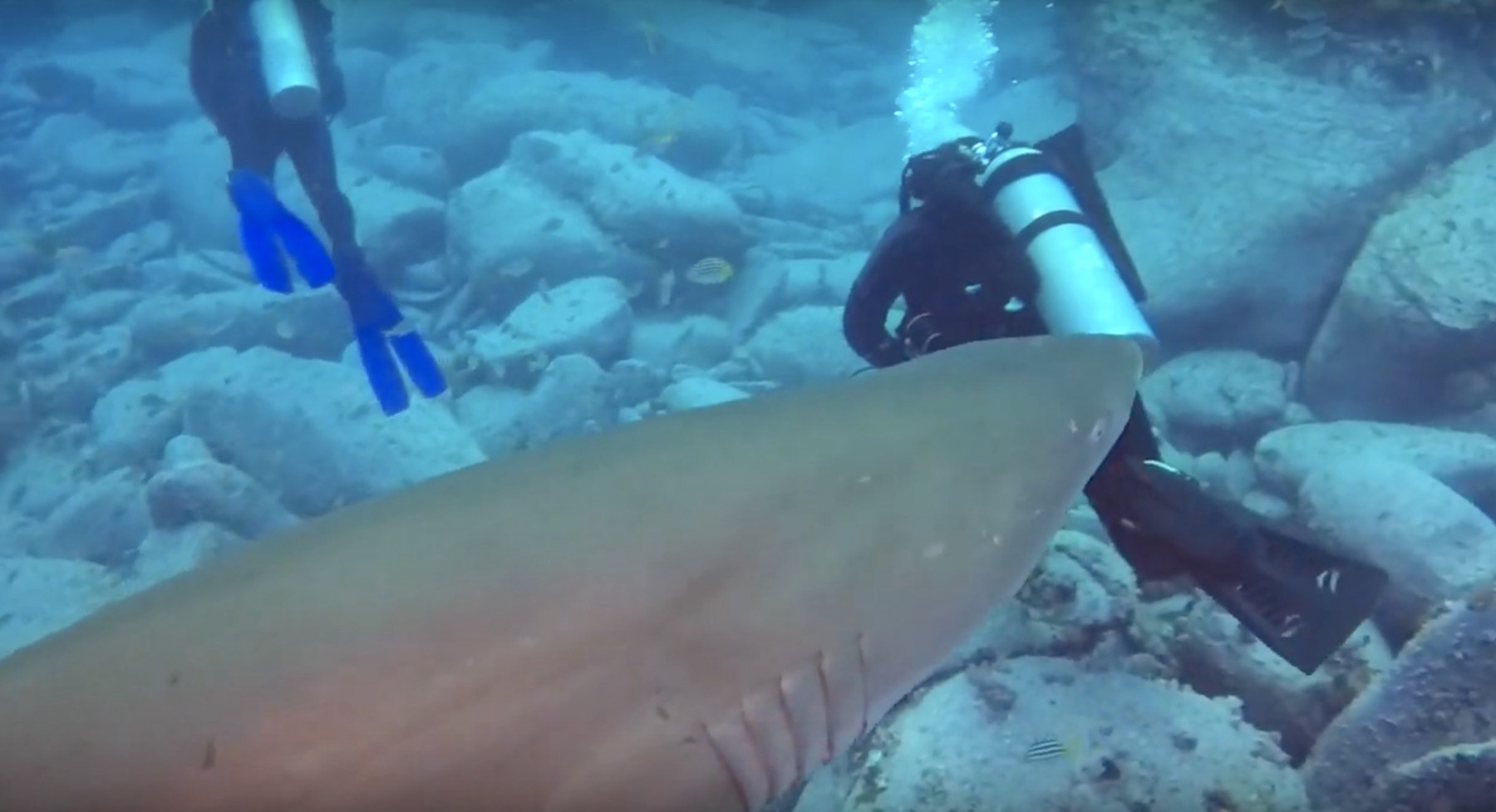
Around the island you will find pinnacles, sheer drop-offs and walls covered in sponges and soft corals, with schools of baitfish and passing pelagic fish. Depths range from about 3 metres in the shallows to 35 metres off the walls, so there is a dive for most levels. The island is reported to be divable in most weather.
Turtle Cave
Turtle Cave is on the seaward side of a pinnacle, where a sheer wall drops away. The low cave sits in about 25 metres of water and is known for its small macro life. It can only be dived in calm conditions and suits advanced divers.
The island
The Point Stephens lighthouse on the island dates from 1862. Fingal Island is joined to the mainland by a narrow sand spit that is only walkable at low tide, so divers reach the sites by boat.
Where it is
What you might see
- Sponge gardens
- Soft corals
- Schooling baitfish
- Pelagic fish
- Macro life in Turtle Cave
Nearby sites
- Boat dive · Off Port Stephens Boondelbah IslandBoondelbah Island lies about 2 km off the mouth of Port Stephens. Its caverns and walls attract bream, drummer and groper, and one side is sheltered enough for newer divers.
- Boat dive · Off Port Stephens Broughton IslandBroughton Island lies about 14 km north-east of the Port Stephens entrance and is part of Myall Lakes National Park. It has several dive sites, and the best known is the Looking Glass, a narrow passage cut right through one of the smaller islands.
- Boat dive · Off Port Stephens Little IslandLittle Island is one of the island dives off Port Stephens. With deep gutters and walls, it suits experienced divers. [OWNER: is this the islet just east of Cabbage Tree Island, where the map pin is?]
- Boat dive · Off Port Stephens SS Oakland wreckThe SS Oakland is the best-known wreck dive off Port Stephens. The steamer sank in a gale in May 1903 and now lies on sand in about 28 metres, just north of Cabbage Tree Island.
