
There has been some discussion around whether a dive certification agency must be a member of the World Recreational Scuba Training Council (WRSTC) to be globally recognized. This notion is not only misleading but also contradicts the reality of the diving world. Here’s why:
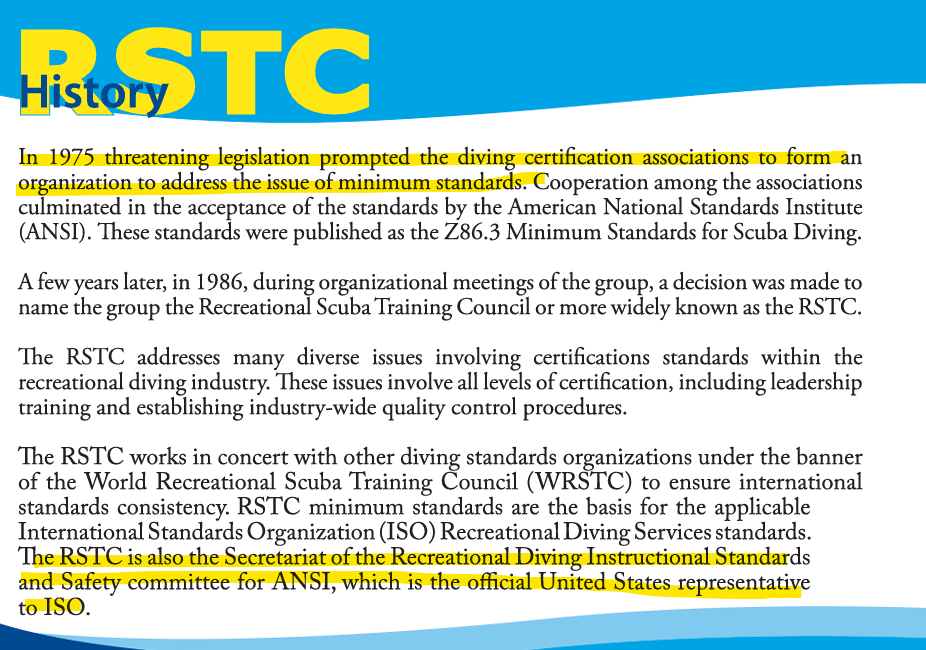
1. Who and What is the RSTC?
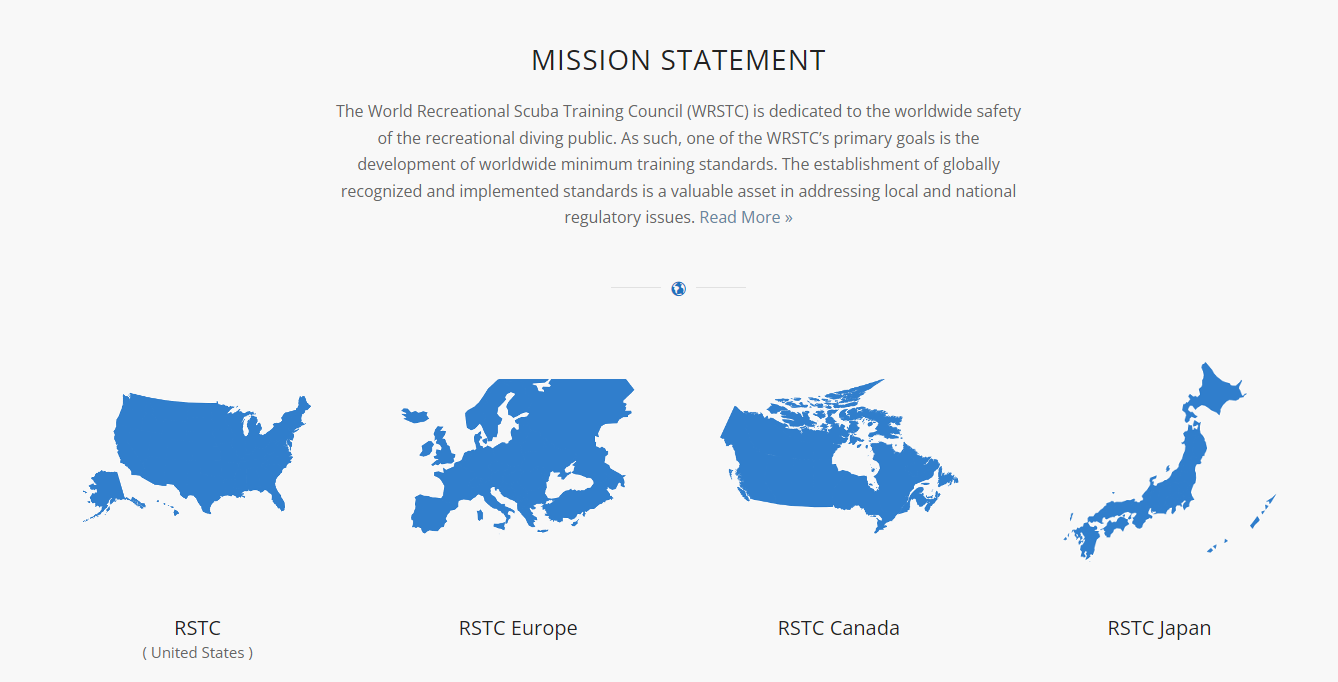
The Recreational Scuba Training Council (RSTC) originated in the United States to prevent governmental regulation of scuba diving standards and to represent these standards to the International Organization for Standardization (ISO). In the early 2000s, it rebranded itself as the World Recreational Scuba Training Council (WRSTC). However, a closer look at their representation reveals that significant regions like Oceania, Central and South America, and most of Asia (except Japan) are not covered. This means WRSTC only represents about 40% of the global diving community, undermining its claim of being a global authority.
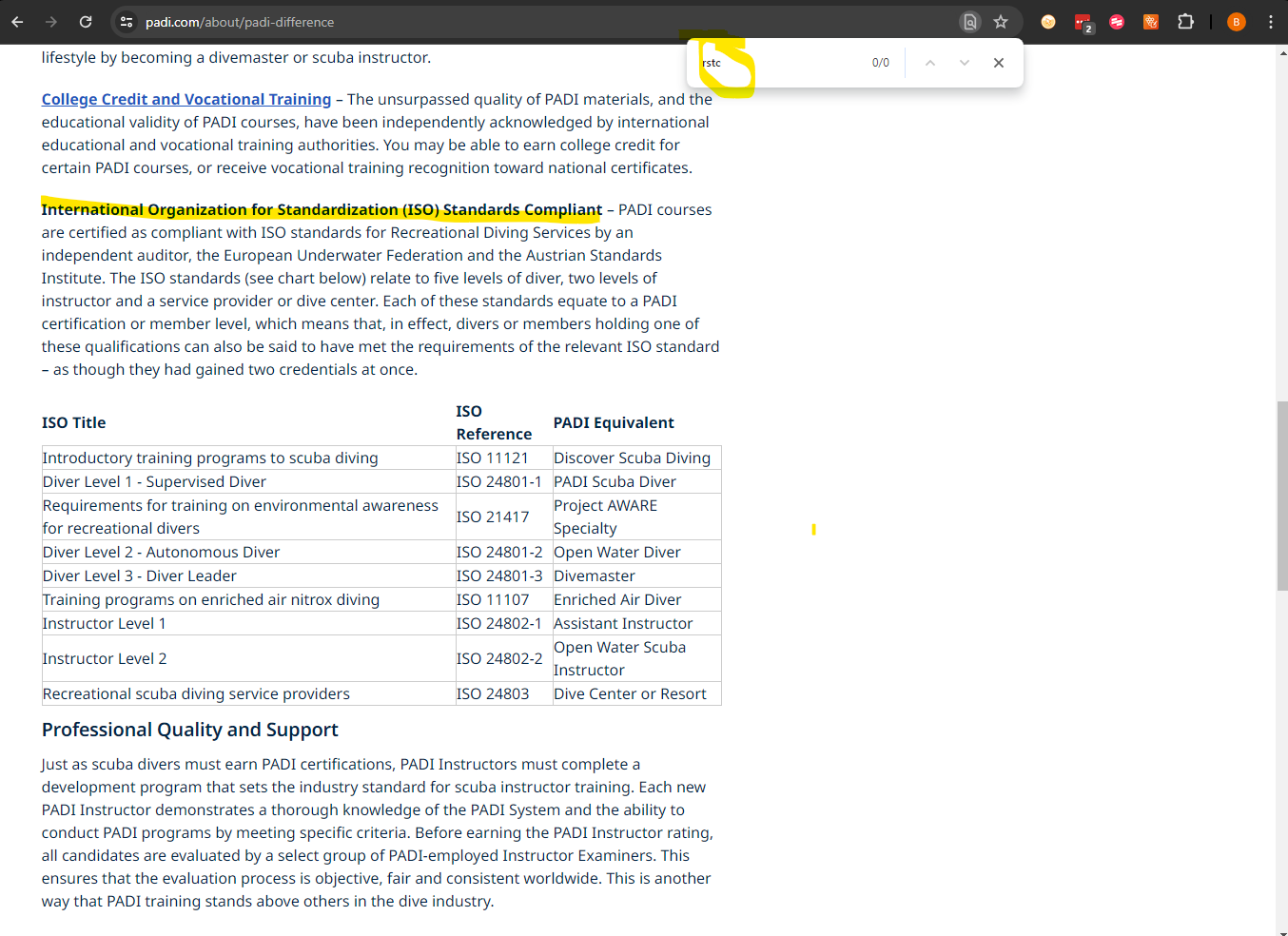
2. Do Agencies Mention WRSTC in Their Standards? PADI, the largest provider Course material and certification , does not emphasize WRSTC membership as a criterion for recognition. A review of PADI’s website and instructor manual shows no mention of WRSTC in their training standards. Instead, PADI highlights compliance with ISO standards, which have a broader and more inclusive recognition.
2. Do Agencies Mention WRSTC in Their Standards? PADI, the largest provider Course material and certification , does not emphasize WRSTC membership as a criterion for recognition. A review of PADI’s website and instructor manual shows no mention of WRSTC in their training standards. Instead, PADI highlights compliance with ISO standards, which have a broader and more inclusive recognition.
- PADI Website: The page PADI Difference (https://www.padi.com/about/padi-difference) does not mention WRSTC but focuses on ISO standards compliance.
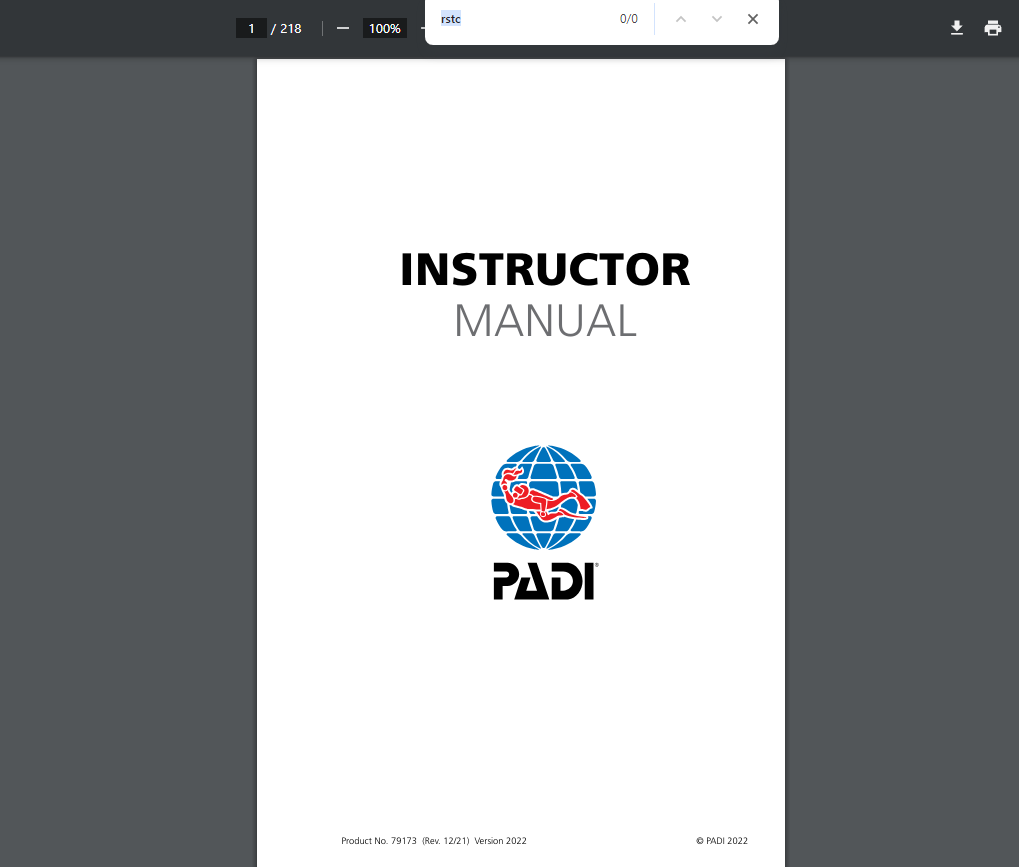
- Training Standards: Searching through the PADI instructor manual, which outlines training protocols, yields no reference to WRSTC. For instance, on page 26, regarding prerequisite certifications for dive courses, there is no mention of WRSTC.
- Number of dives: Experience is gauged by how many dives you’ve completed.
- Recent activity: The date of your last dive.
- Diving history: Locations where you have previously dived.
- Certification level : The type of certification (e.g., Open Water, Advanced, Deep), which dictates the depth and complexity of dives you can undertake.
